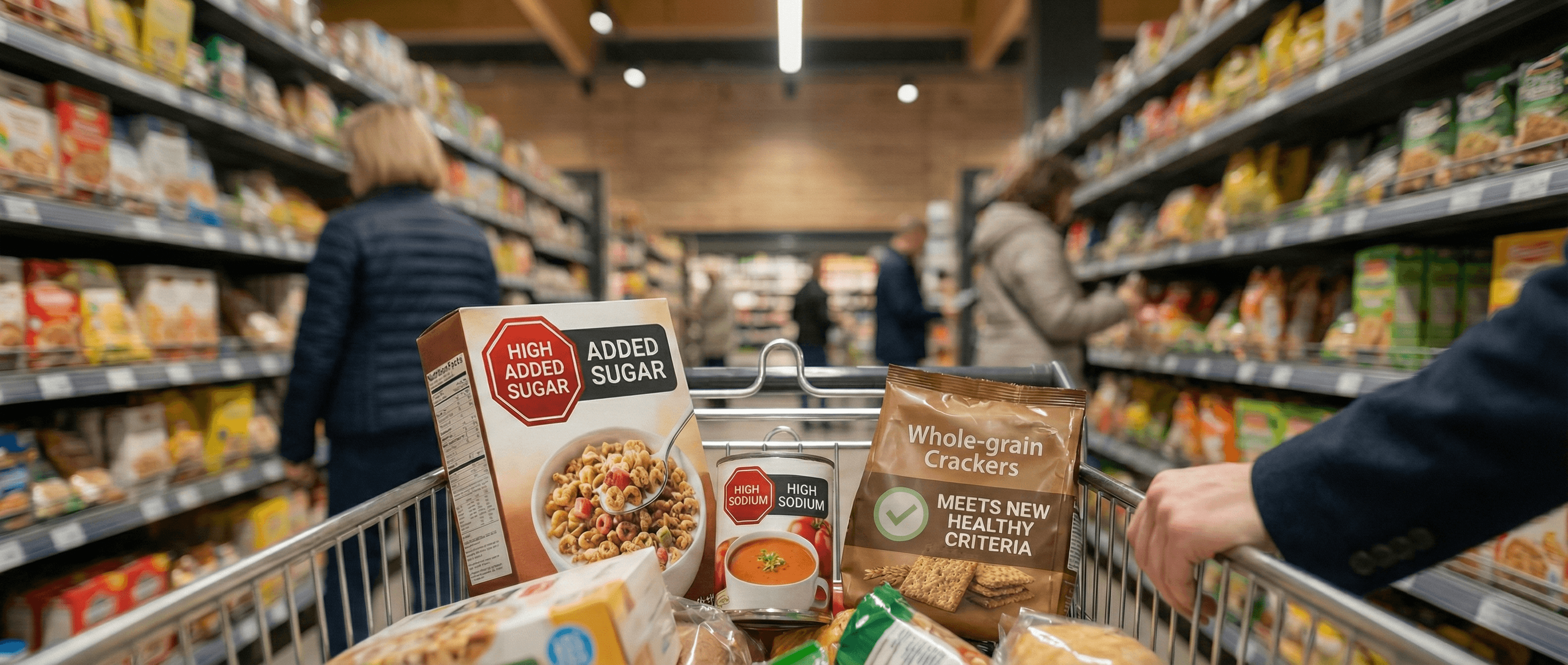



At the start of each year, the food industry shines a spotlight on health and functionality. Publications like FoodNavigator kick off with events focused on “Positive Nutrition,” showcasing better-for-you innovations and technologies. This reflects a broader trend: consumers no longer view food as mere fuel, but as a source of tangible health benefits, essentially “food as medicine.”
In fact, functionality is now front and center: food is evolving from mere sustenance to a tool for health, delivering bioactive benefits for things like gut health, longevity, and metabolic balance. As one industry report put it, “today’s consumers want more than basic nutrition. They are looking for foods and beverages that deliver benefits for their bodies and minds.”
This shift is driving explosive growth in the functional food and beverage market. Once a niche, the global functional F&B market is now valued around $364 billion, with a projected annual growth over 10%, on track to potentially double by 2032. Manufacturers are racing to formulate products with added wellness perks to meet demand. From cognitive support to athletic performance and recovery, brands are increasingly incorporating functional ingredients targeting specific health goals. A recent ranking of top food-tech innovators also highlighted this “real shift from food as fuel to food as medicine,” noting that food is becoming a vehicle for health benefits such as improved gut health, healthy aging, and metabolic wellness.
What does this mean for R&D teams, marketers, and innovators? Simply put, functional foods, everyday products enhanced with added health benefits, are booming. But succeeding in this space requires understanding both the trends and the challenges behind the boom. Let’s first look at which benefits consumers are craving most from their foods and beverages.
Top Functional Benefits Driving Innovation
Consumers’ pursuit of wellness has led to several standout functional trends guiding new product development. Here are three top benefits brands are chasing, each brimming with potential and pitfalls:
Gut Health Digestive wellness has become a $100+ billion obsession, fueling everything from probiotic sodas to high-fiber snacks. Shoppers link a healthy gut to mood, immunity, and overall vitality, making “gut-friendly” a compelling sell.
- Yes, but what messaging? Every brand touts “probiotics” or “prebiotics” now; how will your message cut through and earn trust?
Nutrient Maxing In an era of protein bars with added vitamins, “superfood” smoothies, and fortified everything, packing maximum nutrients into products is a popular play. The idea: more protein, fiber, or antioxidants = more appeal.
- For what occasion, what product? Is a nutrient-dense formulation right for a daily snack, a meal replacement, or a post-workout bite? Context is key. Mintel even predicts consumers will start moving away from single-nutrient obsession toward more balanced diets, so innovators must pinpoint when and where a nutrient-loaded product truly fits.
Flavorful Function Taste remains king, so the newest functional launches marry health benefits with delicious flavor experiences. Think calming teas with lavender-chamomile notes or energy drinks with real fruit zest. Developers recognize that no one will stick with a “healthy” product that tastes bad.
- What flavor profiles best complement? Which flavor profiles amplify your benefit without overpowering or clashing? For example, earthy adaptogens might need a bright citrus or berry to be craveable. Testing flavor-benefit pairings can reveal the combos that both delight the palate and reinforce the wellness story.
Each of these trends promises exciting innovation. Yet chasing them blindly can lead to a disconnect between promise and reality. This brings us to an emerging concern for brands…
The Credibility Gap: When Promises Don’t Match Reality
Capturing consumers’ interest with a trendy ingredient or bold health claim is only half the battle. The other half is delivering on that promise. This is where many functional products stumble. In the rush to launch the next big “wellness” SKU, it’s easy to lose sight of the fundamental question: Does the consumer actually experience the promised benefit in a believable way?
In the rush to capitalize on “hot” functional claims, some brands are overextending their promises. A sparkling drink might claim to fix your gut, or a snack bar proclaims it’s packed with every nutrient you need. But what if the consumer doesn’t feel the benefit, or worse, the product tastes awful? When marketing hype eclipses the actual experience, a credibility gap yawns open and trust falls in.
Ask yourself: Are all these ambitious claims and trend-driven launches actually delivering for consumers? It’s a question that cuts across all the trends above. To sharpen the point, consider these three questions as a quick credibility check:
💡 The Credibility Check
- Hype vs. Help: When every new product promises a game-changing health boost, how can consumers separate real benefits from marketing hype? Are we truly helping consumers, or just piling on buzzwords?
- Trust on the Line: If your beverage or bar touts gut health or nutrient nirvana but doesn’t live up to it, how long before consumers stop believing any of it? In a crowded market, one exaggerated claim can erode trust for your brand and even the category.
- Closing the Gap: What steps are you taking before launch to ensure your product’s functional promises are backed by reality? Are you testing that benefit with real users, refining the formula, adjusting claims? In short, how are you closing the credibility gap now so it doesn’t bite you later?
Reflecting on these questions is crucial. Consumer skepticism is at an all-time high and for good reason. Even as people crave healthier options, they are increasingly wary of grandiose claims. Industry watchers note that uncertainty about who to trust for nutrition advice is driving consumers back to familiar, proven products. In other words, the more magical your promise, the more proof people need. Brands that fail to deliver genuine results will face fallout: poor reviews, social media call-outs, and declining loyalty.
So, how can innovators answer these challenges? The solution lies in the next part of our discussion: validate early, validate often.
Aligning Product Format with Consumer Expectations
Creating a successful functional food or drink is a balancing act. R&D and innovation teams must align the product’s format, sensory attributes, and claims so that they all tell a coherent story. Here are a few alignment checks to consider:
- Does the format match the benefit? Certain formats inherently imply certain benefits. For instance, a sports drink format implies hydration and energy; a tea format implies calm or digestive comfort; a snack bar suggests on-the-go nutrition. Think about whether your chosen format sets the right expectation.
- Are the sensory cues (taste, aroma, texture) supporting the health benefit? People associate tastes and ingredients with outcomes. A bitter or botanical taste might suggest herbal efficacy (think of cough syrups or tinctures), while an overly sweet taste might suggest “candy” (less healthy). This doesn’t mean functional foods should taste bad, not at all, but if your immune-boosting beverage tastes like pure soda, the consumer’s brain might be confused. Mouthfeel and appearance play a role too.
- Is the claim communicated clearly and credibly? Avoid vague or exaggerated phrasing that could raise red flags. Today’s shoppers are label-savvy; many will scrutinize the ingredients and even the dosage of the functional components. If you claim “immune support,” be ready for consumers to look for the milligrams of vitamin C or name of the probiotic strain. Nothing hurts the claim more than over-promise.
An often overlooked but critical aspect: real-world testing. Does your target consumer actually feel or acknowledge the benefit when using the product as intended? The only way to know this is to test with consumers, not just in a lab or with an internal tasting panel, but with actual users in real usage scenarios. This should involve home use tests, blinded trials, or sensory evaluations where consumers both rate the product’s taste and describe any perceived effects or changes after use.
Validating Benefits Early to “Fail Fast” or Succeed
Given what’s at stake, it’s tempting to fall in love with your innovation’s concept: “This drink aids digestion and boosts immunity!” and rush it to market. But have you verified it really works and resonates? The time to do so is before you launch, not after. In fact, making claims testing and benefit validation an early step in product development is one of the smartest moves you can make.
One challenge: Are you willing to hear hard feedback now to avoid failure later? Innovators must challenge themselves to test their product’s promise with target consumers early. That could mean conducting a quick concept test, a prototype trial, or even a simple taste test paired with the benefit claim. Yes, it might reveal that your “amazing” idea isn’t quite hitting the mark, but that’s a gift. It’s far better to iterate or refine your messaging before a full launch than to watch a flop unfold in-market.
One value: By validating benefits early, you build a foundation of credibility and confidence. You ensure that your product walks its talk that the gut health drink actually soothes stomachs, or the nutrient-packed snack genuinely satisfies. This not only de-risks your launch; it becomes a selling point. When you have data or feedback to back up a claim, your marketing can shift from wishful hyperbole to substantiated confidence. In an age where consumers are four to six times more likely to trust brands with a strong, authentic purpose, showing proof that your product delivers can set you apart as a trustworthy innovator. In short, validate early to innovate successfully.
Bottom Line
Riding the wave of functional trends like gut health and nutrient density can lead to breakthrough products, if you handle them with care. Focus on what truly resonates (the right messaging, the right occasion, the right flavor), and temper excitement with evidence. Every bold claim your brand makes is a promise; make sure you can keep it. By closing the credibility gap and proving your benefits through early validation, you’re not just innovating, you’re building the kind of trust that turns curious shoppers into loyal advocates. And ultimately, that trust is the most powerful functional benefit you can deliver.
In summary, the functional foods revolution offers huge opportunities for innovation in R&D, marketing, and brand building. Consumers are hungry (pun intended) for products that help them live healthier lives, from better gut health and more protein, to mood support and beyond. The core narrative for any functional product, however, must go beyond just science and ingredients, it must extend to the consumer’s experience. A successful functional food or beverage is one that bridges the gap between promise and reality, turning proven science into a believable, enjoyable benefit for the user.